Germany's Cannabis Imports Hit Record 67.6 Tonnes as Political Fight Over Rules Intensifies
Revised federal data show German medical cannabis imports far exceeded initial estimates, even as coalition partners clash over tightening the 2024 legalization law.
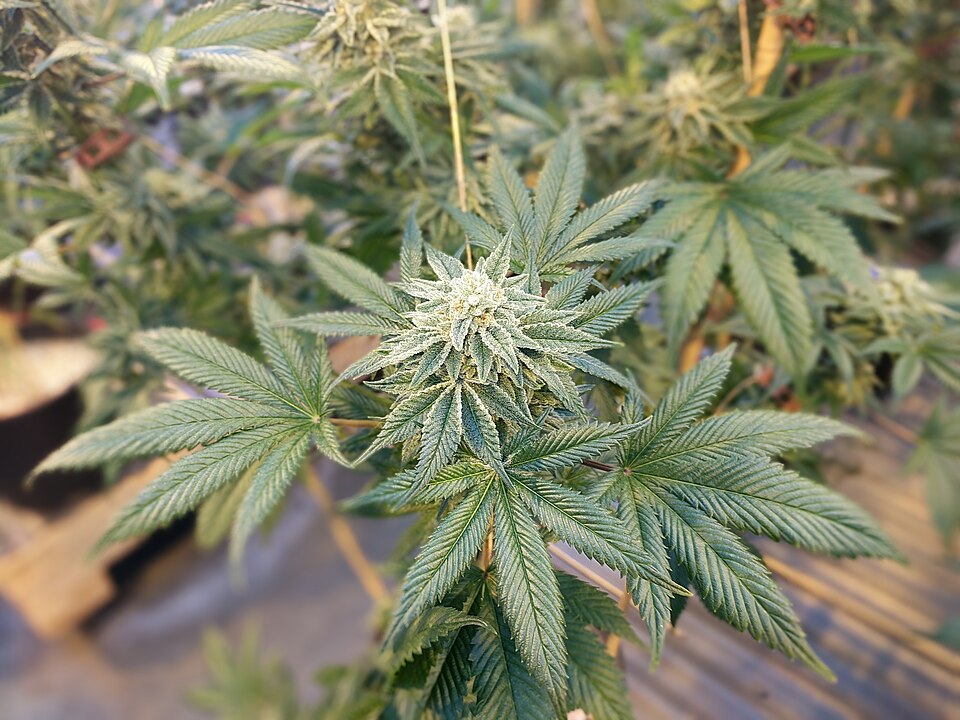 FILE — harvest · My 420 Tours / CC BY-SA 4.0
Germany has become Europe's largest regulated cannabis market just two years after partially legalizing the drug, with legal imports rising sharply and new government data suggesting the boom is even larger than first reported, according to the Financial Times and German trade outlet Hanf Magazin.
Imports Sixfold Since 2024
The Financial Times reported that legal marijuana imports have risen sixfold since 2024, when Germany's partial legalization took effect allowing adults to possess and privately grow cannabis while expanding prescription-based medical access, according to Moneycontrol's summary of that reporting. The reporting did not specify how much of that two-year increase is directly attributable to the reform itself versus broader market growth. The FT cited medical cannabis imports climbing from 8,143 kilograms in the first quarter of 2024 to 50,539 kilograms in the first quarter of 2026. A University of Hamburg study cited in the same reporting found more than 200 tonnes of cannabis were available in Germany in 2025, though only 2.6 tonnes were domestically produced, with the market valued at nearly $1 billion.
A Number Revised Upward
That first-quarter 2026 figure has since been corrected. Germany's Federal Institute for Drugs and Medical Devices (BfArM) revised its Q1 2026 import total from 50.539 tonnes to 67.569 tonnes, a 33.7 percent increase, in a correction made public on August 20, 2026, according to Hanf Magazin. The outlet noted the revised figure is now the largest quarterly total BfArM has ever published, 12.1 percent above the 60.9 tonnes recorded in the fourth quarter of 2025. Hanf Magazin reported that Alfredo Pascual, head of strategy and corporate development at Cologne-based importer Cannamedical, drew attention to the correction and characterized Q1 2026 as the largest quarter the agency has ever published. Hanf Magazin further reported that Germany's quarterly figures have been revised upward in every recent period — by 10.3 percent for Q2 2025, 4.4 percent for Q3, and 6.4 percent for Q4 — attributing the pattern to late reporting by importers and a 2024 change in how flowers and extracts are tracked. The outlet cautioned that the Q1 2026 figure predates cost-containment decisions affecting statutory health insurance reimbursement that took effect later, meaning it may not reflect current market conditions. State licensing records were not available to independently verify the BfArM figures.
Political Backlash Builds
The rapid expansion has drawn criticism from Chancellor Friedrich Merz's Christian Democrats and their Bavarian CSU allies, who argue the current rules have weakened prevention efforts and complicated law enforcement, according to the FT reporting relayed by Moneycontrol. Germany's health ministry has drafted legislation to tighten medical cannabis rules and curb its use as a route to recreational consumption, though the Social Democrats oppose the tougher approach, setting up a parliamentary fight expected in autumn, per the same reporting. Our database includes a headline indicating Germany discontinued statutory insurance reimbursement for cannabis flower, dated July 2026, though the underlying article text was not provided and the specifics of that policy change could not be independently confirmed. Separately, our database shows federal drug policy commissioner Hendrik Streeck has called for corrections to the Cannabis Act, according to Hanf Magazin.
Health and Supply Concerns
Researchers involved in a two-year evaluation cited by the FT found hospitalizations linked to cannabis have increased, with more potent strains identified as a major factor, prompting calls for clearer THC labeling. The same reporting noted more than half of German cannabis consumers do not rely on medical prescriptions, with social contacts accounting for over a third of supply and home cultivation the next largest source — meaning much of the market still operates outside tightly regulated channels even as cannabis-related crime has fallen and overall consumption has remained largely stable.
Cultivation Faces a Separate Hurdle
Beyond import and health debates, cultivation associations are running into building-code obstacles. Hanf Magazin reported that Hamburg's Administrative Court ruled on July 14, 2026 that a permit under the Cannabis Consumption Law does not substitute for building-use approval, after blocking an association from operating in greenhouses zoned for horticulture. Nationally, the Federal Association of Cannabis Cultivation Associations recorded 896 applications, 455 approvals, 126 withdrawals, 85 rejections, and 5 revocations as of late July, per Hanf Magazin, with North Rhine-Westphalia and Lower Saxony together accounting for nearly half of all approvals while Bavaria has seen only 11 approvals against 46 applications and 24 withdrawals.
What to Watch
With BfArM's own data described by Hanf Magazin as systematically understated on first release, and coalition partners divided over whether to tighten or preserve the 2024 reform, the scale and direction of Germany's cannabis market by year-end remains uncertain. Parliament's autumn debate over proposed medical cannabis restrictions, along with the next BfArM quarterly revision, are likely to shape whether the current growth trajectory continues or slows.
Original report: Moneycontrol.com ↗